When to Seek Help for a Cat Making Frequent Litter-Box Trips
When to Seek Help for a Cat Making Frequent Litter-Box Trips
Is your cat suddenly making more frequent visits to the litter box? It can be worrying to watch your feline companion strain, pace, or return again and again to their box. Many Marion cat owners find themselves asking, "how can I tell whether I need professional help with a cat making frequent litter-box trips?" At Kem Road Animal Hospital, our veterinary team understands just how stressful these changes can be for families. In this blog, we’ll guide you through the key signs to watch for, the possible underlying causes, and how to know when it’s time to schedule an appointment at our 1850 W. Kem Road, Marion, IN 46952. We’ll also share what you can expect during a veterinary visit and provide advice on keeping your cat healthy at home. If you’re concerned about your cat’s bathroom habits, you are not alone; our team is always here to help you find answers and solutions.
Recognizing Problematic Litter-Box Behavior in Cats
Every cat is different, so what seems “frequent” for one may be normal for another. However, a sudden increase in litter-box trips, straining, vocalizing, or accidents outside the box almost always signals a potential health problem. Cat owners often notice their feline friend entering the litter box, squatting with little to no output, revisiting the box within a short period, or even making distressed sounds while urinating or defecating. Other red flags include urine spots that are smaller than usual, blood-tinged litter, or a cat that starts avoiding the box altogether. A change in your cat’s toilet habits is never something to ignore, especially if it is accompanied by lethargy, loss of appetite, or vomiting. Understanding how can I tell whether I need professional help with a cat making frequent litter-box trips starts with close observation of both their behavior and the appearance of what’s left in the box.
When you notice these changes, it’s important to remember that cats are experts at hiding discomfort. Minor changes can signal the early stages of a problem that may become much more serious if left untreated. For more information about specific urinary symptoms and when to seek urgent care, review our resource on cat urinary issues and litter-box straining, including diagnostic laboratory testing and emergency care.
Common Causes of Frequent Litter-Box Trips in Cats
There are several reasons a cat may start using the litter box more often. Urinary tract infections (UTIs) are common, especially in older or female cats. These infections can cause frequent, painful urination and sometimes blood in the urine. Another frequent culprit is feline lower urinary tract disease (FLUTD), which is a term for a group of conditions that affect the bladder and urethra. FLUTD can be caused by bladder stones, crystals, or inflammation and can be life-threatening if a blockage occurs.
Male cats are particularly at risk for urinary blockages, which can quickly become an emergency. Signs of a blockage can include straining with little or no urine output, distress, and vomiting. Diabetes and kidney disease are other medical conditions that may cause a cat to urinate more frequently. In some cases, stress, changes in the household, or even an unclean litter box can contribute to inappropriate urination. However, when these behavioral factors are ruled out and the frequent trips continue, it is critical to address the possibility of an underlying medical problem.
How Veterinarians Diagnose and Treat Frequent Litter-Box Use
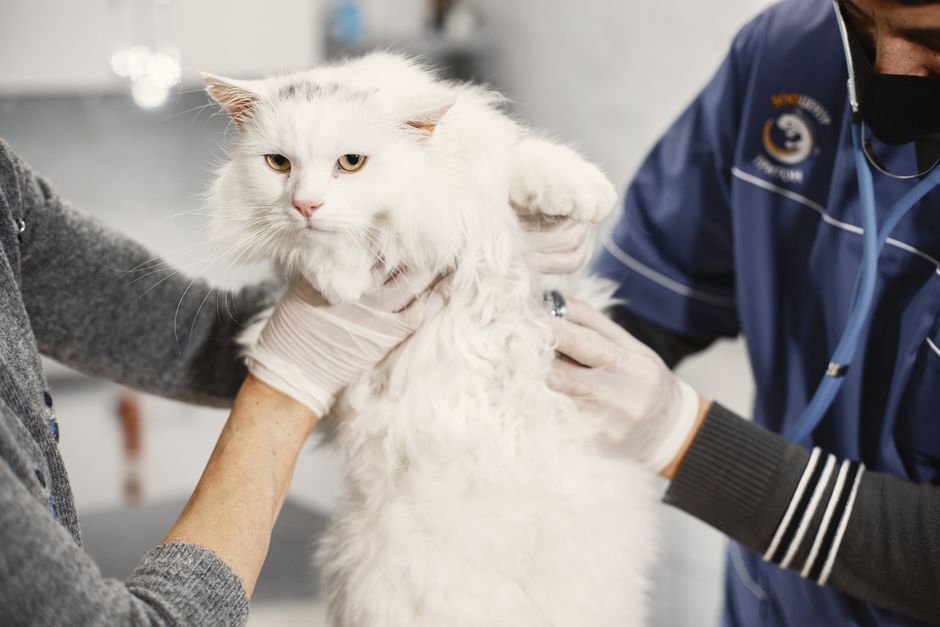
When you bring your cat to Kem Road Animal Hospital for frequent litter-box trips, our veterinarians start with a detailed conversation about your cat’s health history and recent changes at home. We then perform a thorough physical examination, checking for signs of pain, abdominal tenderness, or dehydration. Diagnostic testing is essential for uncovering the cause of your cat’s symptoms. Our comprehensive physical examination services are designed to assess your cat’s overall health and guide next steps.
Testing typically involves urinalysis, which helps identify infections, crystals, or signs of kidney dysfunction. Bloodwork may be recommended to evaluate for diabetes or kidney disease. When appropriate, our pet diagnostic laboratory services allow us to quickly analyze samples and guide timely treatment. In some cases, digital radiography is used to look for bladder stones or anatomical abnormalities.
Treatment depends on the underlying cause. Urinary tract infections are generally treated with antibiotics, while bladder stones or blockages may require hospitalization, fluid therapy, and sometimes surgery. If diabetes or kidney disease is diagnosed, long-term management plans are created to support your cat’s quality of life. For stress-related issues, our veterinarians will provide advice on environmental enrichment and litter-box management to reduce anxiety.
Home Care and Prevention: Supporting Your Cat’s Urinary Health
While some urinary issues can’t be prevented, there are steps you can take at home to support your cat’s urinary tract health. Providing access to fresh water at all times is crucial, as dehydration can contribute to crystal formation and other urinary problems. Some cats prefer running water, so consider a cat water fountain if your feline is reluctant to drink.
Maintaining a clean litter box, ideally one box per cat plus an extra, can encourage appropriate use and help you monitor changes in output. Feeding a veterinary-recommended, high-quality diet that supports urinary tract health may also reduce the risk of issues for some cats. Additionally, minimizing household stress and providing regular playtime can help prevent behavioral triggers for inappropriate urination. However, even with the best home care, medical problems can still arise. If you notice changes in your cat’s litter-box habits, do not wait to seek professional advice.
When Should You Seek Professional Veterinary Help?
Understanding how can I tell whether I need professional help with a cat making frequent litter-box trips is essential for every cat owner. You should schedule a veterinary appointment promptly if your cat is making repeated visits to the litter box, especially if you observe straining, pain, vocalizing, blood in the urine, or accidents outside the box. These signs can indicate serious medical conditions that may worsen rapidly without treatment.
Immediate veterinary attention is necessary if your cat is unable to urinate, appears distressed, or is vomiting. Male cats, in particular, are at high risk for urinary blockages, which can become life-threatening within hours. If you are ever in doubt, it is always better to err on the side of caution and contact our veterinary team. Early intervention can make a significant difference in your cat’s outcome and comfort.
We encourage you to review our detailed guide on cat urinary issues and litter-box straining, including diagnostic laboratory testing and emergency care for additional information on urgent warning signs.
What to Expect During Your Cat’s Veterinary Visit
When you schedule an appointment at Kem Road Animal Hospital, our veterinarians will guide you and your cat with compassion and expertise. During your visit, we’ll discuss your cat’s full medical history, recent changes in behavior, and any concerns you have noticed at home. A comprehensive examination will be performed, and we may collect urine or blood samples for analysis in our diagnostic lab.
Our team will explain the findings and work with you to develop a treatment plan tailored to your cat’s needs. We believe in open communication and will answer all your questions so you can feel confident in the care your cat receives. Follow-up visits may be recommended to monitor progress and adjust treatment as needed. Our goal is always to restore your cat’s comfort and prevent future problems whenever possible.
The Importance of Prompt Veterinary Care for Litter-Box Changes
Prompt veterinary attention is vital when your cat’s litter-box habits change. Cats often hide discomfort, so subtle symptoms can quickly become emergencies. Scheduling a visit ensures your cat receives appropriate diagnosis and treatment, potentially preventing more serious complications. Our veterinary team at 1850 W. Kem Road, Marion, IN 46952 is dedicated to providing high-quality care for cats throughout Marion and surrounding communities.
Whether your cat’s issue is minor or more complex, seeking professional help early is always the best course of action. If you have questions about how can I tell whether I need professional help with a cat making frequent litter-box trips, our veterinarians are here to help guide you every step of the way.
Take the Next Step: Contact Kem Road Animal Hospital
If your cat is making frequent litter-box trips or showing any signs of urinary discomfort, do not delay in reaching out. The caring team at Kem Road Animal Hospital is committed to your cat’s health and your peace of mind. We encourage you to schedule an appointment for a comprehensive physical examination or to discuss your concerns with our veterinarians directly. Our convenient location at 1850 W. Kem Road, Marion, IN 46952 is easily accessible for Marion and the surrounding area.
When searching for a vet near me, look for a practice that offers not just medical expertise but also genuine compassion for you and your cat. At Kem Road Animal Hospital, you can count on a thorough, thoughtful approach to every concern. Call us at (765) 663-8074 to schedule your appointment or visit our website for more information. If you’re ever unsure about how can I tell whether I need professional help with a cat making frequent litter-box trips, know that our veterinary team is just a phone call away, ready to provide trusted care and guidance.