
How a Veterinarian Near Me Cares for Pets and Livestock in May
How a Veterinarian Near Me Cares for Pets and Livestock in May
Spring in Marion, Indiana, marks an important transition for both household pets and farm animals. As temperatures climb and days grow longer, animal health routines shift to meet seasonal needs. Whether you are a pet owner eager to keep your dog or cat healthy, or a producer managing the well-being of your herd, finding the right veterinarian near me is crucial this time of year. At Kem Road Animal Hospital, located at 1850 W. Kem Road, Marion, IN 46952, our veterinary team supports your animals through every spring challenge—offering everything from comprehensive pet exams to herd health checks. In this guide, you'll discover how our approach to animal care adapts to May’s unique demands for dogs, cats, exotics, cattle, sheep, and goats. We will cover common springtime concerns, how to spot early warning signs, and the steps our team takes to keep every animal in your care thriving as the seasons change.
Recognizing Springtime Health Concerns in Pets and Livestock
As the landscape greens and activity levels rise, both pets and livestock face new risks and opportunities for better health. For companion animals like dogs and cats, May often brings increased outdoor play, exposure to ticks and fleas, and the need for updated vaccinations. Key signs that your pet might be struggling with seasonal changes include itching or scratching, sudden lethargy, changes in appetite, excessive panting, or visible skin irritations. Sometimes, you may also notice sneezing, coughing, or watery eyes as pollen counts rise.
For producers overseeing cattle, sheep, or goats, May is often a time of calving, lambing, and turnout onto fresh pasture. This can introduce challenges such as sudden changes in diet, risk of bloat, increased parasite loads, or injuries from handling. Watch for symptoms like limping, swollen joints, poor body condition, coughing, nasal discharge, diarrhea, or reluctance to graze. In young livestock, a lack of vigor, difficulty standing, or failure to nurse can signal urgent problems.
Exotic pets, such as rabbits, guinea pigs, and reptiles, may also be affected by changing temperatures or humidity. Warning signs for these species include decreased activity, abnormal shedding, skin changes, or loss of appetite.
Why Spring Brings Unique Health Risks
Understanding why these issues emerge in May is key to prevention and early intervention. For pets, increased time outdoors means more chances for tick exposure, which can transmit Lyme disease and other illnesses. Flea populations also surge in the warmer months, and pollen or mold can trigger allergies in sensitive animals. Seasonal shedding may become more pronounced, leading to hairballs in cats or skin irritation in dogs. Additionally, as pets spend more time outside, they may encounter wildlife or ingest plants that are toxic.
For livestock, moving animals from stored feed to lush pasture can result in digestive upsets. Cattle, sheep, and goats may be prone to bloat or acidosis if the transition happens too rapidly. Spring is also peak season for parasites like gastrointestinal worms and coccidia, which can quickly impact herd performance if left unchecked. Wet, muddy conditions in pastures or barnyards increase the risk of hoof problems and infectious diseases, such as foot rot in sheep or pinkeye in cattle. Calves and lambs born in cooler early spring weather may be at risk for hypothermia or failure of passive transfer if not closely monitored.
Exotic pets often require careful environmental control, and sudden changes in room temperature or humidity with open windows can stress these sensitive animals. Some species, like reptiles, depend on precise photoperiods and may experience health disturbances if spring cleaning or home projects disrupt their habitat.
Veterinary Solutions: How Kem Road Animal Hospital Supports Animals in May
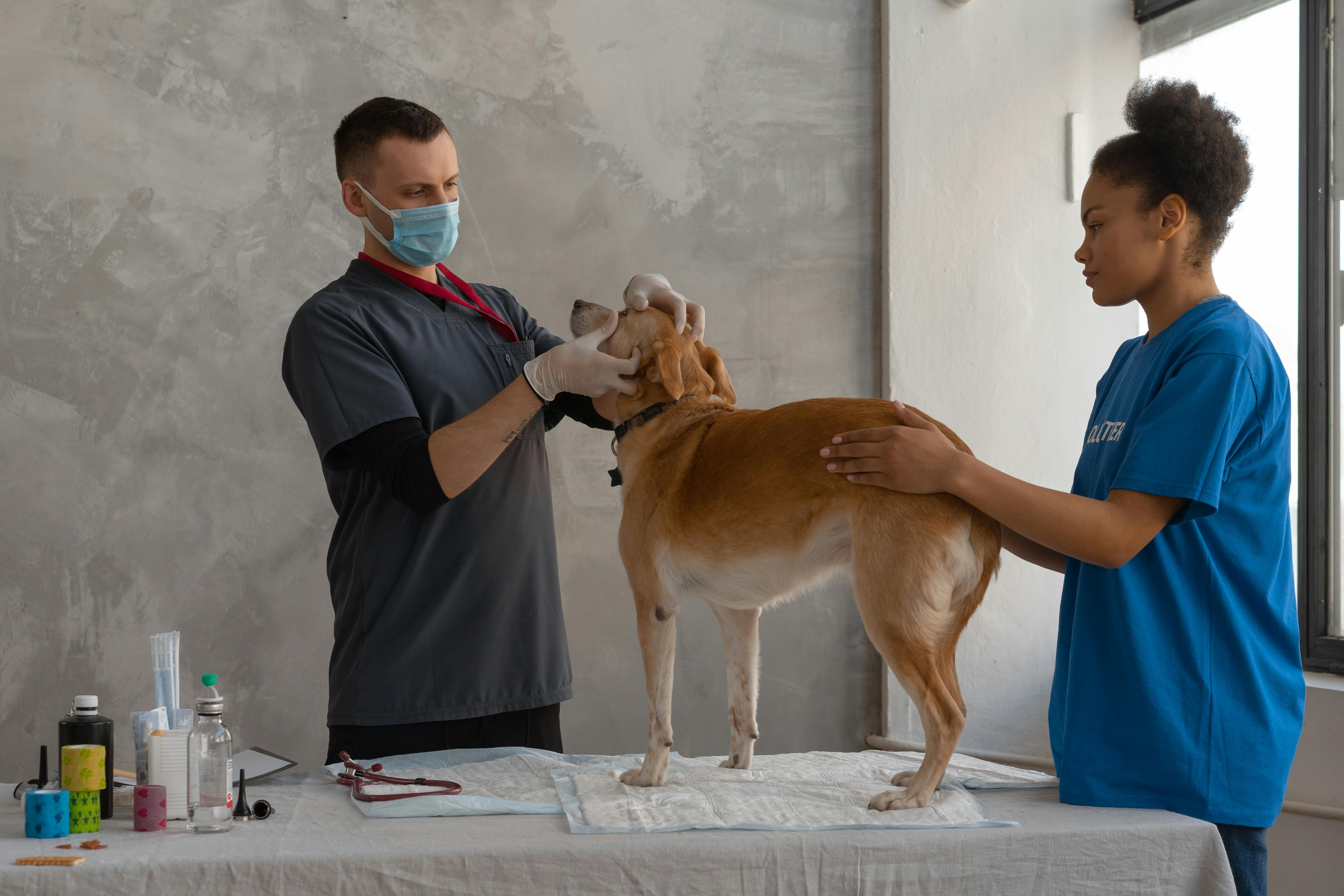
Our veterinary team at Kem Road Animal Hospital takes a comprehensive approach to spring health. For dogs and cats, we recommend regular comprehensive physical exams to catch early signs of seasonal issues. During these visits, we assess your pet from nose to tail, checking for skin conditions, signs of parasites, or emerging dental problems. Spring is an ideal time to update pet vaccinations, especially as social outings and boarding become more common. We also offer heartworm testing and parasite prevention programs tailored to the local pressures in Marion and surrounding communities.
For livestock, our veterinarians provide herd health consultations that address everything from nutrition to parasite management. We help producers develop deworming protocols based on fecal egg counts and local parasite risks. Routine evaluations during this season include checking body condition scores, monitoring for signs of calving or lambing complications, and assessing the effectiveness of vaccination schedules. Our team can also advise on safe transition strategies to spring pasture, minimizing the risk of bloat or digestive disturbances. When injuries or illnesses do arise, our capabilities include diagnostics, wound care, and surgical interventions as needed for cattle, sheep, and goats.
Owners of exotic pets benefit from our understanding of species-specific needs. We counsel you on adjusting environmental conditions, nutrition, and enrichment to keep these unique animals comfortable and healthy throughout the spring months.
Steps You Can Take at Home or On the Farm
Proactive care is the best defense against seasonal health challenges. For pet owners, daily brushing can help manage shedding and reduce the risk of hairballs or matted fur. Check your dog or cat for ticks after outdoor excursions, and promptly remove any you find. Keep up with monthly flea and tick preventives, and maintain regular heartworm prevention for dogs. Cleaning litter boxes, bedding, and outdoor play areas helps minimize allergen exposure and reduces the chance of parasite transmission.
Producers can enhance herd health by slowly introducing livestock to new pastures, allowing rumens to adjust gradually to lush grass. Regularly inspect animals for signs of lameness, weight loss, or abnormal behavior, and ensure clean, fresh water is always available. Rotating pastures and managing stocking density can help control parasite burdens and prevent overgrazing. For newborn calves and lambs, provide adequate shelter from spring storms and monitor for prompt nursing.
For exotic pets, maintain stable temperatures and humidity in enclosures. Avoid abrupt changes to light cycles or cage arrangements, and continue providing species-appropriate diets. If you notice abnormal behavior or physical changes, reach out to our veterinary professionals for advice.
When Should You Contact a Veterinarian Near Me?
Timely veterinary intervention can make all the difference for both pets and livestock. For dogs and cats, consult a veterinarian near me if you notice persistent itching, unexplained weight loss, coughing, labored breathing, or changes in appetite or water intake. Sudden behavioral changes, vomiting, or diarrhea should also prompt a call. Annual or semi-annual wellness examinations allow us to detect and address problems before they become serious.
For producers, immediate veterinary attention is needed if you observe animals with severe lameness, sudden drops in milk production, unresponsive newborns, or outbreaks of diarrhea or respiratory disease in the herd. Difficulty calving or lambing, unexplained deaths, or signs of bloat require prompt action to protect your livestock and minimize losses. Even if issues seem minor, our farm call team can help you assess the situation and recommend the best course of action.
Exotic pet owners should seek help if their animal refuses food, shows labored breathing, develops swelling or lesions, or becomes unusually lethargic. Because many exotic species hide signs of illness, even subtle changes can be significant.
Why Choose Kem Road Animal Hospital for Spring Animal Care?
At Kem Road Animal Hospital, we understand the unique role every animal plays on your farm, in your home, or as part of your family. Our veterinary team combines years of experience with a commitment to ongoing education, ensuring that every animal receives tailored care—whether it is routine preventive health or urgent support during calving or lambing season. We are proud to serve Marion, IN, and the surrounding communities with general practice veterinary services for dogs, cats, exotics, and livestock.
Spring is a time of renewal and growth, but also of new risks for animals. With our comprehensive approach, from comprehensive physical exams to herd health management, you have a trusted resource for every animal under your care. We encourage you to schedule an appointment for your pet or arrange a farm visit for your livestock to help ensure a healthy, productive season ahead.
For more information about how a veterinarian near me can support you this May, or to book your next appointment, call our veterinary team at (765) 663-8074 or visit us in person at 1850 W. Kem Road, Marion, IN 46952. Your animals’ health is our top priority—let us partner with you for a safe and successful spring.