How Dental Health Impacts Your Pet’s Wellbeing
How Dental Health Impacts Your Pet’s Wellbeing
Is your dog or cat’s bad breath making you wrinkle your nose? While it is easy to dismiss stinky breath as a minor annoyance, it can actually be a warning sign of deeper health issues. At Kem Road Animal Hospital, located at 1850 W. Kem Road, Marion, IN 46952, we know that your pet’s dental health plays a crucial role in their overall comfort, behavior, and long-term wellness. Many Marion-area pet owners are surprised to learn just how much oral health can influence a dog or cat’s energy, appetite, and even their risk of developing serious diseases. In this blog, we will explore the vital connection between dental care and your pet’s wellbeing, help you recognize signs of dental trouble, and share how our veterinary team can support you in keeping your companion happy and healthy for years to come.
Recognizing Dental Problems in Dogs and Cats
Dental disease is one of the most common health issues affecting pets, yet it often goes unnoticed in its early stages. Many pet owners first become aware of dental problems when their dog or cat starts to have persistent bad breath or exhibits changes in eating habits. Key symptoms of dental issues include foul-smelling breath that does not improve with routine tooth brushing, red or swollen gums that bleed easily, visible tartar buildup on the teeth, and difficulty chewing or a sudden preference for softer foods. Some pets may drool excessively, paw at their mouths, or even shy away from being touched around the head.
Other signs to watch for are decreased interest in playing with chew toys, dropping food from the mouth, or acting irritable without an obvious cause. Cats, in particular, may become more withdrawn or groom less frequently when dealing with oral discomfort. If you notice any of these behaviors, it is important not to ignore them, as they can indicate underlying dental pain or infection that may impact your pet’s whole-body health. For more information about recognizing the early signs of dental pain or bad breath in dogs, you can refer to our resource on dog dental pain and pet dental care, or if you have a cat, learn more about cat dental disease and drooling.
Why Dental Disease Happens: Common Causes and Risks
Understanding why dental disease develops in pets can help you take proactive steps to protect your dog or cat. In most cases, dental problems begin with the accumulation of plaque, a soft film of bacteria that forms on teeth after eating. When plaque is not regularly removed—through brushing or professional cleanings—it hardens into tartar, which irritates the gums and creates pockets where bacteria can thrive.
Breed, age, and diet all influence your pet’s risk. Small-breed dogs, such as Chihuahuas and Yorkies, and cats often develop dental issues earlier in life due to the shape of their jaws and how their teeth fit together. Pets fed primarily soft or wet foods may experience more rapid plaque buildup compared to those who eat crunchy kibble or dental-specific diets. Additionally, genetics and immune system health can play a role, making some pets more susceptible to gum disease even with good home care.
If left unchecked, dental disease can progress from mild gingivitis to advanced periodontal disease, which destroys the tissues supporting the teeth. This not only causes pain and tooth loss but can also allow bacteria to enter the bloodstream, affecting organs like the heart, liver, and kidneys. That is why dental care is about much more than a pretty smile—it is an essential part of preventive health.
Professional Treatment Options for Pet Dental Problems
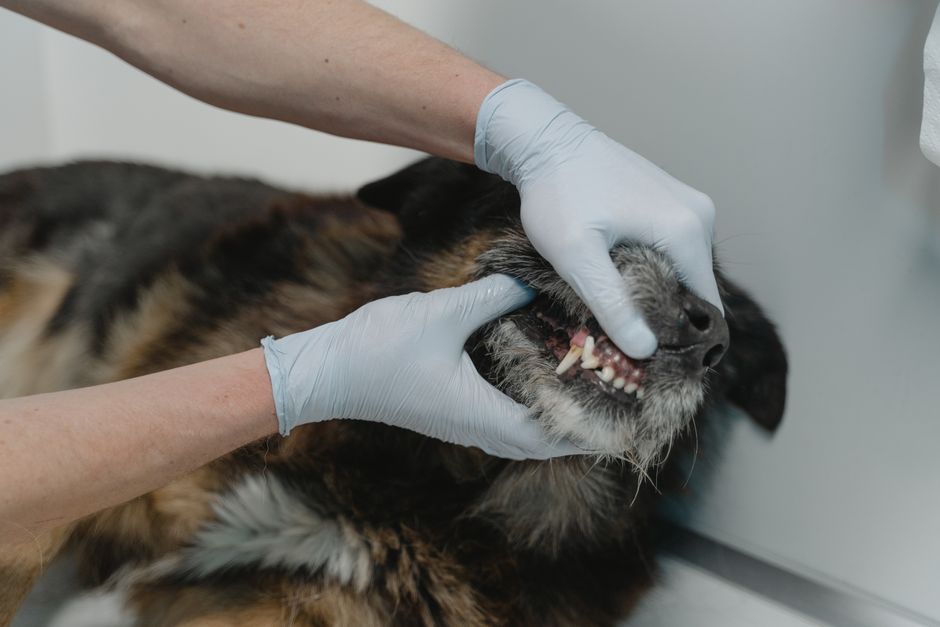
When dental disease is present, timely intervention is key to preventing further pain and complications. At Kem Road Animal Hospital, our veterinarians offer a full range of dental care services for dogs and cats. The first step in addressing dental concerns is a comprehensive oral examination, often performed during your pet’s wellness visit. If we identify signs of dental disease, we may recommend a professional pet dental cleaning, which is performed under anesthesia to allow thorough cleaning above and below the gum line.
In cases where teeth are damaged or diseased beyond repair, pet tooth extractions may be necessary to relieve pain and restore your pet’s comfort. Our veterinary team is experienced in performing safe and gentle extractions as well as advanced dental surgery for more complex oral health issues. After the procedure, we provide personalized pain management and follow-up care to ensure your pet heals smoothly.
It is natural to feel anxious about anesthesia or dental procedures for your pet. Our veterinary professionals use modern monitoring equipment and tailored anesthesia protocols to maximize safety. We are always available to answer your questions and discuss how we minimize risks during dental treatments.
Preventing Dental Disease: What Pet Owners Can Do at Home
While professional dental care is essential, your daily habits at home play a major role in keeping your pet’s mouth healthy. Brushing your dog or cat’s teeth is one of the most effective ways to slow plaque and tartar buildup. Aim for daily brushing if possible, using pet-safe toothpaste and a soft-bristled brush. If your pet is new to brushing, start slowly with positive reinforcement and work up to a regular routine.
In addition to brushing, offering dental chews and approved dental diets can help reduce plaque accumulation. Some toys are designed to gently clean teeth as pets chew, but it is important to choose products that are safe and appropriately sized for your dog or cat. Fresh water should always be available, and regular visual checks of your pet’s mouth can help you spot problems early.
Scheduling semi-annual comprehensive exams with our veterinary team allows us to monitor your pet’s dental health and identify any changes before they become serious. Maintaining a partnership with a trusted veterinarian means you can stay ahead of issues and ensure your pet enjoys a lifetime of good oral health.
When to Schedule a Veterinary Dental Visit
Knowing when to seek professional help is key to preventing discomfort or disease from progressing. You should schedule an appointment at Kem Road Animal Hospital if your pet has persistent bad breath, red or bleeding gums, visible tartar buildup, loose or missing teeth, or any signs of mouth pain such as reluctance to eat, pawing at the mouth, or changes in behavior. Even if your pet’s mouth looks healthy, regular dental checkups are vital for early detection of hidden problems.
If you are unsure whether your dog or cat needs a dental cleaning or further evaluation, our veterinarians are happy to provide guidance during your next comprehensive exam. Early intervention can spare your pet unnecessary pain and help you avoid the higher costs and risks associated with advanced dental disease. For more details about the signs that indicate a need for professional dental care, visit our page on dog dental pain and pet dental care or review information on cat dental disease and drooling.
Your Local Partner for Pet Dental Health in Marion
Your dog or cat’s mouth is the gateway to their overall health, and proactive dental care can transform their comfort, happiness, and longevity. By watching for early warning signs, understanding the risks of dental disease, and partnering with the compassionate team at Kem Road Animal Hospital, you can help your pet live their best life.
If you are searching for a veterinarian near me who prioritizes gentle, comprehensive dental care, look no further than our experienced veterinary professionals in Marion. We invite you to schedule an appointment for a dental evaluation or routine wellness exam by calling (765) 663-8074 or visiting us at 1850 W. Kem Road, Marion, IN 46952. Whether your pet needs a thorough pet dental cleaning, an assessment for possible tooth extractions, or simply guidance on home dental care, we are here to help. Together, we can ensure your pet’s smile—and their whole body—stays healthy for years to come.
This blog is intended for informational purposes only. Always consult with your veterinarian at Kem Road Animal Hospital regarding any questions or concerns about your pet’s health.