How to Make Informed Choices When Your Cat Is Using the Litter Box Often
How to Make Informed Choices When Your Cat Is Using the Litter Box Often
If you’ve recently noticed your cat making frequent trips to the litter box, you’re likely feeling concerned or even confused about what might be causing this sudden change. Wondering, “how can I make an informed decision about a cat making frequent litter-box trips?” is a common and important question for attentive pet owners. At Kem Road Animal Hospital, we understand how changes in your cat’s litter box habits can leave you searching for answers. As a trusted provider of comprehensive veterinary care for cats and dogs in Marion, Indiana, our team of veterinarians is here to guide you through the steps of recognizing, understanding, and responding to this important feline health concern. In this blog post, we’ll explore what frequent litter box use can mean, how to recognize when there’s a problem, the most common causes, what you can do at home, and when it’s time to seek professional veterinary care. You’ll also learn how Kem Road Animal Hospital can help support your cat’s health at every stage.
Recognizing the Signs: Is Frequent Litter Box Use a Problem for Your Cat?
Every cat has its own unique bathroom habits, but a sudden increase in trips to the litter box should never be ignored. Recognizing when your cat’s behavior is out of the ordinary is the first step in answering, “how can I make an informed decision about a cat making frequent litter-box trips?” Signs that should prompt concern include your cat entering the litter box many times in a short period, producing only small amounts of urine or stool, vocalizing while using the box, straining, or even missing the box altogether. Additionally, you might notice your cat licking its genital area more than usual, or you may find spots of urine outside the box. Changes in the appearance or smell of urine, blood in the litter, or your cat acting restless or hiding are also causes for concern.
Cats are experts at hiding illness, so subtle changes such as increased thirst, decreased appetite, or a change in grooming habits can be important clues. If your cat’s frequent litter box use is accompanied by any of these signs, it’s time to take a closer look and consider a visit with your veterinarian for a comprehensive physical examination.
Common Causes of Frequent Litter Box Visits in Cats
Understanding why your cat is making so many trips to the litter box helps you make the best choices for their care. The most common reasons for increased litter box activity include urinary tract infections (UTIs), bladder inflammation (cystitis), bladder stones, diabetes, kidney disease, and even behavioral stressors. Sometimes, cats may experience constipation or diarrhea, both of which can result in repeated visits to the box as they try to relieve discomfort.
Urinary tract infections often cause frequent, small, and sometimes painful urination. In male cats, a urinary blockage is a true emergency, as it can quickly become life-threatening. Bladder stones or crystals can irritate the bladder lining, producing similar symptoms. Diseases like diabetes or kidney insufficiency may lead to increased thirst and urination, while stress (such as a change in your home environment) can also trigger inappropriate litter box use or more frequent trips.
It’s important to remember that these conditions can only be properly diagnosed by a veterinarian, often with the help of diagnostic testing. At Kem Road Animal Hospital, our pet diagnostic laboratory services allow us to evaluate urine samples, bloodwork, and other important health markers to pinpoint the cause of your cat’s symptoms.
What to Expect: How Veterinary Professionals Diagnose and Treat Frequent Litter Box Use
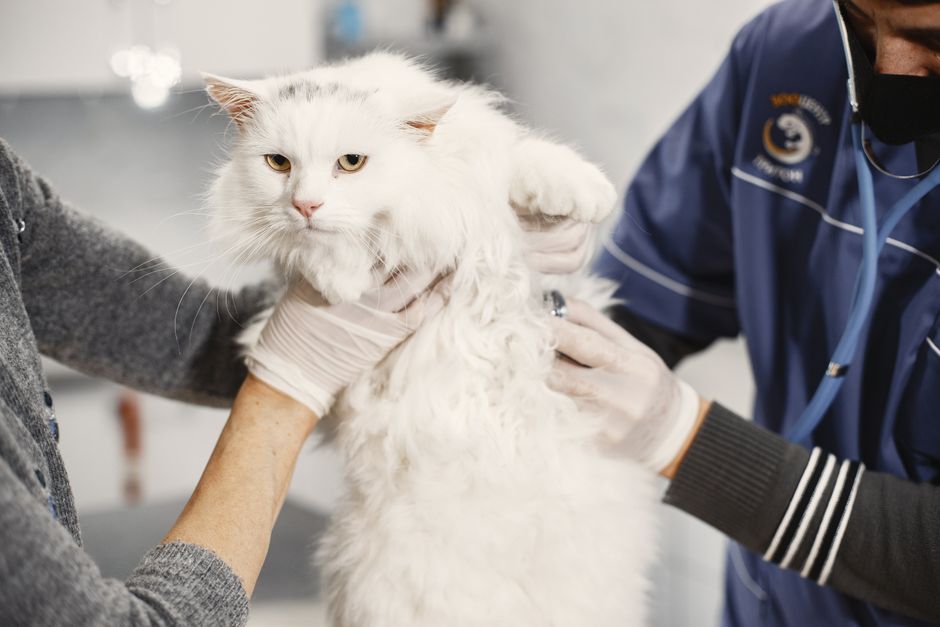
When you schedule an appointment at Kem Road Animal Hospital for your cat’s frequent litter box trips, our veterinary team will start with a thorough discussion of your cat’s history and any changes you’ve observed at home. We’ll perform a careful physical exam, looking for signs of pain, swelling, or discomfort. Diagnostic testing, such as a urinalysis, bloodwork, and sometimes X-rays or ultrasound, may be recommended to identify infections, stones, diabetes, or other conditions.
Treatment options depend on the underlying cause. For urinary tract infections, antibiotics are often prescribed. Bladder stones might require a special diet or, in severe cases, surgery to remove them. Diabetes and kidney disease require long-term management with medications, dietary changes, and regular veterinary monitoring. If stress or environmental factors are contributing, our veterinarians can help you identify strategies to support your cat’s emotional well-being and reduce anxiety-related bathroom issues.
Throughout the process, our goal is to provide you with clear information and compassionate support, so you can make the best decisions for your cat’s health. If you’re unsure how to proceed, our team is always available to answer your questions and guide you through the options.
Home Care and Prevention: Supporting Your Cat’s Urinary Health
While some causes of frequent litter box use require veterinary intervention, there are steps you can take at home to promote your cat’s urinary health and reduce the risk of future problems. Providing fresh water at all times encourages your cat to stay hydrated, which supports bladder and kidney function. Feeding a high-quality diet formulated for your cat’s age and health status helps maintain overall wellness. Keeping the litter box clean and placed in a quiet, accessible location can also reduce stress and encourage proper bathroom habits.
If you have multiple cats, offering one more litter box than the number of cats in your home can minimize competition and help prevent stress-related issues. Watching for subtle changes in your cat’s behavior, appetite, or bathroom habits is crucial, as early detection can lead to better outcomes. Regular comprehensive physical exams and wellness visits at Kem Road Animal Hospital allow our veterinary professionals to catch potential health issues before they become serious.
When Should You Seek Veterinary Care for a Cat Making Frequent Litter Box Trips?
Knowing when to seek professional help is essential for your cat’s safety and comfort. If your cat is making frequent litter box trips and you see blood in the urine, notice your cat straining without producing urine, or observe any signs of pain or lethargy, prompt veterinary attention is needed. Male cats are at particular risk for urinary blockages, which can develop rapidly and require emergency treatment.
Even if your cat’s symptoms seem mild, ongoing frequent litter box use, especially when paired with changes in appetite, weight loss, vomiting, or changes in activity, means it’s time for a veterinary assessment. Never wait for symptoms to resolve on their own, as delays can make treatment more complicated and less effective. For more guidance on urgent situations involving your cat’s urinary health, you can review our detailed page about cat urinary issues, straining, and emergency care.
If you need to schedule an appointment for your cat, our team of veterinarians at Kem Road Animal Hospital is ready to help with compassionate, expert care tailored to your cat’s needs.
How Can I Make Informed Decisions About a Cat Making Frequent Litter-Box Trips? Next Steps for Marion and Surrounding Communities
Making informed decisions about a cat making frequent litter-box trips starts with careful observation at home and timely consultation with a trusted veterinary team. At Kem Road Animal Hospital, we believe that every pet owner deserves clear answers and ongoing support. If you’re searching for a "vet near me" in Marion or the surrounding communities, our experienced team is here to help you understand your cat’s symptoms, recommend appropriate diagnostics, and provide effective treatment options.
Don’t let uncertainty about your cat’s litter box habits cause ongoing stress or risk your cat’s health. To get the answers you need, schedule an appointment with our veterinary professionals today. You can request a visit online or call us at (765) 663-8074. Our clinic is conveniently located at 1850 W. Kem Road, Marion, IN 46952, making it easy for local pet owners to access high-quality care. For more information or to book a visit for your cat, use our appointment request page. When it comes to answering questions like "how can I make an informed decision about a cat making frequent litter-box trips?" in Marion and beyond, Kem Road Animal Hospital is here to be your trusted partner in lifelong feline wellness.
This blog is for informational purposes only and does not replace professional veterinary advice. Always consult your veterinarian for specific medical recommendations tailored to your cat’s needs.